Design Council and Dott 07
As a nation, we are getting unhealthier and it’s putting our health service under increasing pressure. It is crucial, but difficult, to motivate people to lead more active lifestyles, and to support them in managing their conditions more effectively, whether this involves getting people to access and use existing services or helping them communicate their needs to health practitioners.
Design can help deliver practical solutions to improve daily life for people with long term conditions, such as diabetes and dementia as well as more short-term ailments such as sexually transmitted diseases, as some of our recent work has shown.
We began investigating how design can help people manage and improve their health with two pioneering projects run by our RED team which looked into chronic conditions and preventative health activities.
We're also a partner in Dott 07 (Designs of the time), a year long programme throughout the North East of England which explores how design can make a positive difference to our lives. Two Dott 07 projects have considered how design can help people suffering with STDs and those with longer term conditions such as Alzheimer's.
Improving the lives of Alzheimer's patients
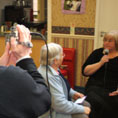 Dementia currently affects 750,000 people in the UK and an expected 1.8m by 2050 - the majority of these cases will be Alzheimer’s disease. Alzheimer 100 investigates the every day problems experienced by Alzheimer’s patients and carers and seeks to design new products and services that tackle these problems.
Communication designers Think Public have teamed up with Alzheimer’s Society branches all over the North East for an innovative pilot that will improve the lives of those with dementia and their carers through design.
Making sexual health services more accessible
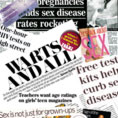 Sexual health clinics can be so unwelcoming that people who need to visit them don’t. Health consultancy Design Options is working with Gateshead Primary Care Trust to design ways to make sexual health screening and treatment services easier to access and use. The aim of DaSH (Design and Sexual Health) is to come up with a system where people are seen by the service within 48 hours of contact, and where the treatment path is clear and suits the user’s needs.
Encouraging people to lead more active lives
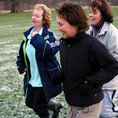 Lack of activity - and related conditions such as obesity, heart disease, high blood pressure and hip problems – has become a major challenge for the NHS. By the time we get older, the effects of these issues are felt more acutely so it is important to try to develop more active lifestyles.
During the five month RED project, a radical new approach to activity emerged: a service that does not offer or prescribe activity, but instead supports groups of people to organise it for themselves. Activmobs is a new way people can stay healthy by organising and motivating themselves to do the activities they like. You can find out more in our case study.
Helping people with diabetes
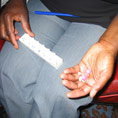 Diabetes is a chronic condition, which, with the right support, can in most cases be managed although not completely cured. The central issue both for sufferers and the health system is to find sustainable (and cost-effective) ways to manage the disease into the long term.
Working closely with a group of diabetes sufferers and health care professionals in Bolton, the design team developed a deck of ‘needs’ cards for patients to communicate their feelings, experiences and needs, and proposed the involvement of an independent adviser to help manage their condition – a diabetes ‘life coach’. You can read more in our case study.
Alzheimer 100
The project is happening at an important time when the North East is breaking new ground, with ageing and health forming a key strand in the Science City strategy for regional economic regeneration, the recent establishment by the Department of Health of a centre of excellence for research on age-related disorders in Newcastle, and the re-organisation of health services throughout the region.
DaSH
Following consultation with over 1200 health professionals and members of the public DaSH has resulted in a design proposal for Gateshead Primary Care Trust’s new sexual health service. This is the first time sexual health service design has been tackled in this way, and it’s hoped the end result will provide a good example of how things can be done to other services both nationally and internationally. You can download the recommendations from DaSH on the Dott 07 website.
Activmobs
Kent County Council and the Design Council are currently developing ways to introduce Activmobs in Kent, with the aim of having a pilot scheme running by the end of 2007. Catch up on what’s been happening in our update on this story.
Helping people with diabetes
With the support of Bolton Primary Care Trust, the health care professionals involved in the Design Council’s health project have formed a group called BOND (Bolton New Deal) to help drive a new diabetes healthcare agenda for the community, and to undertake a more in-depth pilot of the prototypes developed in the diabetes project.
Initial feedback from this first clinical study has been good, with both patients and practitioners reporting positive results. Read more in our update on this story.
We want to hear your views on design and health. You can add your comments – and read others’ views – on our Perspectives page.
