Design Council and Dott 07
Nearly half of the UK's carbon dioxide emissions come from energy we use every day - at home and when we travel. We know we should be reducing our energy consumption to save money (if not the planet) - but where, and how, to begin?
The average household produces 6 tonnes of carbon dioxide a year. But that doesn’t mean very much to most people: what does a tonne of carbon dioxide even look like?
Can design help us visualise what we are spending, and wasting, on energy? Could design help us to uncover new ways we can reduce our carbon footprints? And what role can design have in making energy saving not only user-friendly, but also desirable?
We've been looking into how design can help us to lead more carbon-neutral lives since 2005, exploring ways for people to engage with the issue of energy consumption.
We also a partner in Dott 07 (Designs of the time), a year long programme throughout the North East of England which explores how design can make a positive difference to our lives. Two Dott 07 projects have prompted people to see how design can help them reduce their carbon footprints and consider the amount and type of energy they consume.
Low Carb Lane
 Dott 07 has worked with a whole street of people in Ashington, Northumberland, to investigate how to improve the lives of residents affected by fuel poverty. The project, Low Carb Lane, has uncovered new ways to communicate real time energy use and its cost. Design consultancy LiveIWork has collaborated with Wansbeck Local Strategic Partnership to help households reduce their demand from the power grid by 60% and find ways of doing this that will be both sustainable and affordable.
Stuff-o-meter
 Where do dead hairdryers go? Where did all the components of your car come from, and what happens to them when the vehicle will no longer work? Our whole attitude towards consumer goods and our disposable culture comes under scrutiny in the 'Stuff-O-Meter' graphic design competition, part of the D&AD Global Student Awards and sponsored by Dott 07.
You can read more about Dott 07’s work in energy at http://www.dott07.com/go/energy
Future Currents
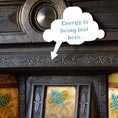 Can electricity meters become objects of desire? Can we make energy saving interesting? And can we design our way out of climate change? These were some of the questions asked by a group of designers and experts who spent six weeks in 2005 living in a draughty Victorian terrace in Lewisham, south London, testing out ideas that might make it easier for all of us to use less energy.
The Future Currents team, working with householders and energy experts, created a series of ideas, concepts and proposals to help householders save energy and cut greenhouse gas emissions. You can read more in our case studies section.
Dott 07
You can see the winning designs from the Stuff-O-Meter competition during October at the Dott 07 Festival which brings together the results of all the projects that have been running over the past year around the North East.
Dott Debates: What Next? is a series of debates taking place throughout the festival which will ask what has been learnt, and what happens next. The debate on Tuesday 23 October will focus on Low carb lane and participants will have a chance to find out more about the project. Places are free and can be booked through the Dott website at www.dott07.com/go/dottdebates.
Future Currents
The insights and ideas generated during our energy project have led to the creation of a new energy service. Working in conjunction with the London borough of Lewisham, the Mayor of London’s office and the concierge company Ten UK, former members of the Future Currents energy team are prototyping a ‘green homes’ service where 5000 householders in Lewisham will be visited by an energy expert who will help them become more energy efficient. The service will roll out London-wide later in 2007. To find out more about the ‘green homes’ service visit www.greenhomeslondon.co.uk.
We think that energy consumption is an important issue for designers and want to hear your views. You can add your comments – and read others’ views – on our Perspectives page.
